
By CityLaila Travel Team
Updated March 2026
10 min read
Discover the World with CityLaila
Georgia is a destination where ancient history, beautiful architecture, religious heritage and vibrant traditions come together. Located at the crossroads of Europe and Asia, this Caucasus country has a fascinating cultural identity shaped by centuries of trade, kingdoms, religion and diverse influences.
From the charming cobbled streets of Tbilisi’s Old Town to the ancient monasteries of Mtskheta, Georgia offers travellers an opportunity to explore some of the region’s most remarkable historic landmarks.
Whether you are interested in medieval churches, traditional architecture, local markets, museums or authentic Georgian experiences, exploring the country’s cultural treasures will add a memorable dimension to your holiday.
In this guide, discover the best cultural attractions in Georgia, the historic landmarks of Tbilisi and Mtskheta, and practical tips for planning a heritage-focused trip.
1. Discover Tbilisi: Georgia’s Historic and Cultural Capital
Tbilisi is the heart of Georgian culture, combining historic neighbourhoods, ancient churches, traditional bathhouses and modern attractions. Its diverse architecture reflects Persian, European, Byzantine and Russian influences.
Here are some of the most fascinating places to explore.
Tbilisi Old Town
Tbilisi Old Town is one of the city’s most charming areas, known for its narrow cobbled streets, colourful wooden balconies, historic houses and traditional courtyards.
Visitors can explore local cafés, art galleries, souvenir shops and small restaurants while discovering the city’s architectural heritage. Walking through this neighbourhood is one of the best ways to experience the atmosphere of old Tbilisi.

Narikala Fortress
Standing above the Old Town, Narikala Fortress is one of Tbilisi’s most recognisable historic landmarks. The fortress dates back to the city’s early history and offers panoramic views of the Mtkvari River, historic rooftops and surrounding hills.
Visitors can reach the area on foot or by taking the cable car from Rike Park, depending on operating conditions.

Abanotubani Sulphur Baths
The historic Abanotubani district is famous for its traditional sulphur bathhouses, recognised by their distinctive domed roofs. These baths are closely connected with Tbilisi’s history and are a unique part of the city’s cultural identity.
Travellers can experience traditional bathing facilities, many of which offer private rooms and spa services.
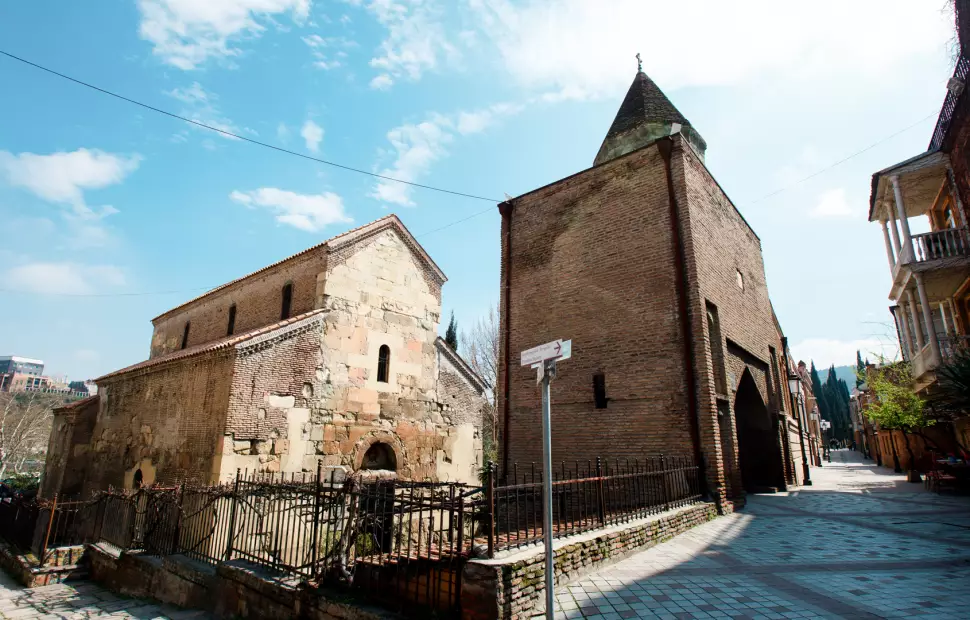
Anchiskhati Basilica
Dating back to the 6th century, Anchiskhati Basilica is considered one of the oldest surviving churches in Tbilisi. Its traditional Georgian religious architecture and historic significance make it an important stop for visitors interested in the city’s Christian heritage.
Sioni Cathedral
Located in the Old Town, Sioni Cathedral is another significant religious landmark. It has played an important role in Georgia’s Orthodox Christian history and features traditional architecture and religious artwork.

Holy Trinity Cathedral of Tbilisi
Also known as Sameba Cathedral, this impressive structure is one of the largest Eastern Orthodox cathedrals in the world. Its grand architecture, golden dome and peaceful surroundings make it an important cultural and religious attraction.

2. Explore Mtskheta: Georgia’s Ancient Capital
Located approximately 20 kilometres northwest of Tbilisi, Mtskheta is one of Georgia’s oldest cities and an essential destination for history lovers.
It served as the ancient capital of the Kingdom of Kartli and became an important centre of Georgian Christianity. Christianity was proclaimed the state religion here in 337 AD.
Mtskheta’s historic monuments are recognised as a UNESCO World Heritage Site, making the city one of the country’s most important cultural destinations.
Svetitskhoveli Cathedral
One of Georgia’s most significant religious landmarks, Svetitskhoveli Cathedral is located in the centre of Mtskheta. The present cathedral was constructed during the 11th century on the site of earlier churches.
Known for its impressive stone architecture, intricate carvings and historic frescoes, it remains an important centre of Georgian Orthodox Christianity.

Jvari Monastery
Perched on a hill overlooking Mtskheta, Jvari Monastery is a remarkable example of early medieval Georgian architecture. Built in the 6th century, it offers breathtaking views of the confluence of the Mtkvari and Aragvi rivers.
The monastery is especially significant in Georgian religious history and is one of the most photographed historic landmarks in the country.

Samtavro Monastery
Another important part of Mtskheta’s UNESCO-listed heritage, Samtavro Monastery includes historic church buildings dating from different periods. It is associated with Saint Nino and Georgia’s first Christian rulers, King Mirian III and Queen Nana.
The peaceful surroundings and religious significance make it an important stop during a cultural tour of Mtskheta.
Travel tip: Mtskheta is an excellent day trip from Tbilisi. Consider visiting Svetitskhoveli Cathedral, Jvari Monastery and Samtavro Monastery together with a knowledgeable local guide.

3. Visit Georgia’s Other Historic Landmarks
Beyond Tbilisi and Mtskheta, Georgia has many fascinating castles, monasteries and historic towns worth including in your itinerary.
Ananuri Fortress
Located beside the beautiful Zhinvali Reservoir, Ananuri Fortress is a historic architectural complex featuring defensive towers, churches and stone walls. Its scenic mountain setting makes it a popular stop on the journey towards Gudauri and Kazbegi.

Uplistsikhe Cave Town
One of Georgia’s most fascinating archaeological destinations, Uplistsikhe is an ancient rock-hewn town featuring caves, tunnels, halls and historic structures. It offers insight into early settlements and the region’s historical development.

Gelati Monastery
Located near Kutaisi, Gelati Monastery is a UNESCO World Heritage Site known for its medieval architecture, impressive mosaics and historic frescoes. Established in the 12th century, it was an important religious and educational centre.

Vardzia Cave Monastery
Situated in southern Georgia, Vardzia is an extraordinary cave monastery complex carved into a mountainside. Its interconnected caves, churches, tunnels and historic wall paintings make it one of the country’s most remarkable heritage attractions.

4. Experience Georgian Culture and Traditions
Exploring Georgia is not just about visiting historic buildings. The country’s traditions, hospitality, music, food and craftsmanship are equally important parts of its cultural identity.
Here are some experiences to include in your trip:
- Traditional Georgian wine tasting: Discover Georgia’s ancient winemaking heritage, particularly the traditional qvevri method.
- Georgian polyphonic singing: Experience the country’s distinctive traditional vocal music.
- Folk dance performances: Watch energetic performances featuring traditional costumes and regional dance styles.
- Local craft markets: Explore handmade jewellery, ceramics, textiles and traditional souvenirs.
- Georgian cooking classes: Learn to prepare popular dishes such as khachapuri and khinkali.
- Traditional supra dining: Experience a Georgian feast featuring local food, wine and the role of the tamada, or toastmaster.
These experiences offer a deeper understanding of Georgia’s cultural heritage and the traditions that continue to shape everyday life.
5. Taste Traditional Georgian Food
Georgian cuisine is an essential part of the country’s cultural experience. Known for its fresh ingredients, herbs, cheese, walnuts and distinctive spices, Georgian food offers a variety of flavours.
Some traditional dishes to try include:
- Khachapuri: Cheese-filled bread, with Adjarian khachapuri featuring cheese, egg and butter.
- Khinkali: Traditional dumplings filled with meat or other ingredients.
- Lobio: A hearty bean dish prepared with herbs and spices.
- Pkhali: Vegetable-based appetisers mixed with walnuts and seasonings.
- Churchkhela: A traditional sweet made by coating nuts in thickened grape juice.
- Mtsvadi: Georgian-style grilled meat skewers.
Visitors can enjoy these dishes at traditional restaurants, family-run eateries and local food markets throughout the country.
Best Time to Explore Georgia’s Cultural Attractions
Georgia’s historic cities and cultural landmarks can be explored throughout the year, although each season offers a different atmosphere.
- Spring (March to May): Pleasant conditions for walking tours, sightseeing and exploring historic towns.
- Summer (June to August): Longer daylight hours are ideal for combining cultural sightseeing with mountain excursions.
- Autumn (September to November): Comfortable temperatures and beautiful autumn scenery make this a popular period for cultural trips and wine tourism.
- Winter (December to February): Tbilisi’s historic streets and churches offer a different charm, while nearby mountain destinations provide opportunities for snow activities.
Spring and autumn are particularly attractive for travellers planning extensive sightseeing.
Essential Travel Tips for Visiting Georgia
Before planning your cultural holiday, keep these useful tips in mind:
- Wear comfortable shoes: Historic streets and monastery pathways can be uneven.
- Dress respectfully: Cover your shoulders and knees when visiting Orthodox churches and monasteries. Some sites provide clothing coverings.
- Hire a local guide: Guided tours can help you understand the history and stories behind important landmarks.
- Plan transportation: Use taxis, private transfers or organised tours for destinations outside Tbilisi.
- Carry some cash: Smaller shops and local businesses may have limited card facilities.
- Respect religious customs: Avoid loud conversations and follow photography restrictions inside religious buildings.
- Check opening hours: Religious sites and museums may have different schedules, particularly during services and public holidays.
- Check entry requirements: Review the latest visa and passport requirements based on your nationality before travelling.
Frequently Asked Questions About Georgia’s Cultural Attractions
1. What are the best cultural places to visit in Georgia?
Tbilisi Old Town, Narikala Fortress, Mtskheta, Svetitskhoveli Cathedral, Jvari Monastery, Ananuri Fortress and Uplistsikhe are among the country’s most interesting cultural attractions.
2. Is Mtskheta worth visiting from Tbilisi?
Absolutely. Mtskheta is a historic former capital with UNESCO-listed monuments and significant religious heritage. It is also convenient for a day trip from Tbilisi.
3. How many days are enough to explore Georgia’s historic landmarks?
Four to five days is enough to explore Tbilisi, Mtskheta, and nearby landmarks. A longer trip of seven to ten days lets you explore more regions and historic sites.
4. What is Georgia famous for culturally?
Georgia is known for its ancient churches and monasteries, traditional polyphonic singing, folk dances, unique cuisine, winemaking traditions and warm hospitality.
5. Is Georgia suitable for history lovers?
Yes. Georgia offers ancient cave towns, medieval fortresses, UNESCO World Heritage Sites, historic churches and museums that provide fascinating insights into its past.
Discover Georgia’s Heritage with CityLaila
Georgia is a destination where every historic street, ancient monastery and traditional village tells a story. From exploring Tbilisi’s charming Old Town and the magnificent landmarks of Mtskheta to discovering medieval fortresses and experiencing authentic Georgian traditions, the country offers a rewarding cultural journey.
Whether you are planning a short city break or a longer holiday, Georgia’s historic attractions deserve a place on your travel itinerary.
Planning a Georgia holiday? Explore CityLaila’s Georgia holiday packages, sightseeing tours, attraction options and transfer services to discover Tbilisi, Mtskheta and the country’s historic treasures. Book with CityLaila and explore the rich heritage of Georgia!
You may also like –
Georgia in Winter: Best Places, Snowy Mountains and Travel Experiences
Can You Book Holiday Packages on CityLaila? Complete Guide
CityLaila Travel Team
Our travel experts research and curate guides for attractions and experiences across 40+ destinations worldwide.