
By CityLaila Travel Team
Updated March 2026
11 min read
Discover the World with CityLaila
The UAE may be famous for skyscrapers, luxury resorts and desert safaris, but beyond its modern cities lies a rugged landscape of Hajar Mountains, rocky valleys, freshwater pools and natural wadis.
For travellers looking for something different, exploring the UAE’s lesser-known wadis can offer a refreshing alternative to conventional sightseeing. These destinations are ideal for hiking, photography, picnicking, nature exploration and, where conditions and local rules permit, swimming or enjoying freshwater pools.
From the freshwater pools of Nahwa to the dramatic mountain scenery around Hatta and the protected landscape of Wadi Al Helo, these places reveal a quieter side of the Emirates.
What Are Wadis?
A wadi is a valley, ravine or channel that is typically dry for much of the year but can carry water after rainfall.
In the UAE, many wadis are found among the Hajar Mountains, particularly around Hatta, Ras Al Khaimah, Fujairah and Sharjah’s eastern region.
Rainwater can collect between rocky formations, creating temporary pools and small waterfalls. Some areas also have more permanent water sources, depending on underground water and local geology.
These landscapes support plants, birds and other wildlife, making wadis valuable natural environments as well as adventure destinations.
1. Wadi Shis and the Nahwa Enclave
One of the UAE’s more unusual destinations, Nahwa is a geographical enclave belonging to Sharjah and surrounded by Oman’s Madha enclave.
The area features rocky mountains, date-palm plantations, wadis and freshwater pools. Sharjah’s tourism authority specifically highlights freshwater pools, hiking, camping and cycling among activities available in the area.
What to do
- Explore the mountain scenery
- Hike through the surrounding landscape
- Visit the freshwater pools
- Photograph the rocky valleys
- Enjoy a picnic
- Experience a mountain camping trip
Best for: Adventure travellers, photographers, families and off-the-beaten-path explorers.

2. Wadi Al Helo, Sharjah
Located between the Hajar Mountains, Wadi Al Helo is a protected natural area with an interesting combination of wildlife, mountain scenery and cultural heritage.
The name translates approximately to “sweet valley”, and the area is known for abundant underground water. The wadi provides habitat for birds, reptiles, rodents and freshwater fish. It also contains an archaeological site and a restored Islamic watchtower.
Several hiking opportunities are available, including a relatively easy walk towards the hilltop and more challenging exploration deeper into the wadi.
Why visit?
- Protected natural environment
- Mountain hiking
- Wildlife observation
- Archaeological interest
- Scenic photography
- Quiet alternative to busy tourist attractions
Because Wadi Al Helo is a protected area, visitors should follow local regulations and avoid disturbing wildlife or vegetation.

3. Hatta’s Mountain Water Landscapes
Hatta is one of the UAE’s most accessible mountain destinations and offers a combination of wadis, lakes, reservoirs and dramatic Hajar Mountain scenery.
While Hatta Dam is not a natural pool, it provides a spectacular water-based experience surrounded by rugged mountains. Visitors can kayak, paddle and explore the surrounding landscape. Visit Dubai describes Hatta as a mountain escape featuring freshwater wadis and the turquoise waters of Hatta Dam.
Activities around Hatta
- Hiking
- Kayaking
- Mountain biking
- Camping
- Photography
- Picnicking
- Nature walks
Hatta is particularly suitable for visitors who want mountain scenery without travelling too far from Dubai.
4. Leem Lake, Hatta
For travellers searching for a peaceful water destination in the Hatta mountains, Leem Lake is another option.
The lake is a three-hectare artificial lake surrounded by mountain scenery. Visit Dubai notes that visitors can enjoy kayaking, pedal boats, designated swimming areas, walking trails and picnicking around the lake.
Although it is not a natural pool, it fits perfectly into a UAE mountain-and-water itinerary.
Best for
- Families
- Picnics
- Swimming in designated areas
- Kayaking
- Photography
- Relaxing outdoors
5. Wadi Hatta
The mountain valleys surrounding Hatta offer opportunities to discover rocky landscapes, traditional farms and natural water channels.
Hatta’s terrain is particularly interesting because it combines mountains, agricultural areas and historic water-management systems.
Hatta Falaj, for example, is an ancient underground water system that was traditionally used for irrigation. Visit Dubai highlights Hatta Falaj as a 3,000-year-old underground natural water reservoir used for irrigation.
Exploring the area provides an opportunity to understand how communities historically adapted to life in a mountainous desert environment.

6. Wadi Naqab, Ras Al Khaimah
For experienced hikers, the mountain valleys around Ras Al Khaimah offer a more rugged experience.
Wadi Naqab is known among outdoor enthusiasts for its dramatic mountain environment and challenging terrain.
Unlike developed attractions, wadis such as this can have limited facilities. That means visitors need to be more self-sufficient.
If exploring remote wadis:
- Carry sufficient drinking water.
- Download or carry reliable navigation information.
- Avoid travelling alone.
- Inform someone about your route.
- Wear proper hiking shoes.
- Check the weather forecast.
- Avoid entering narrow valleys during or immediately after heavy rain.
Remote mountain areas are not suitable for casual swimming or hiking without preparation.
7. Wadi Ghalila, Ras Al Khaimah
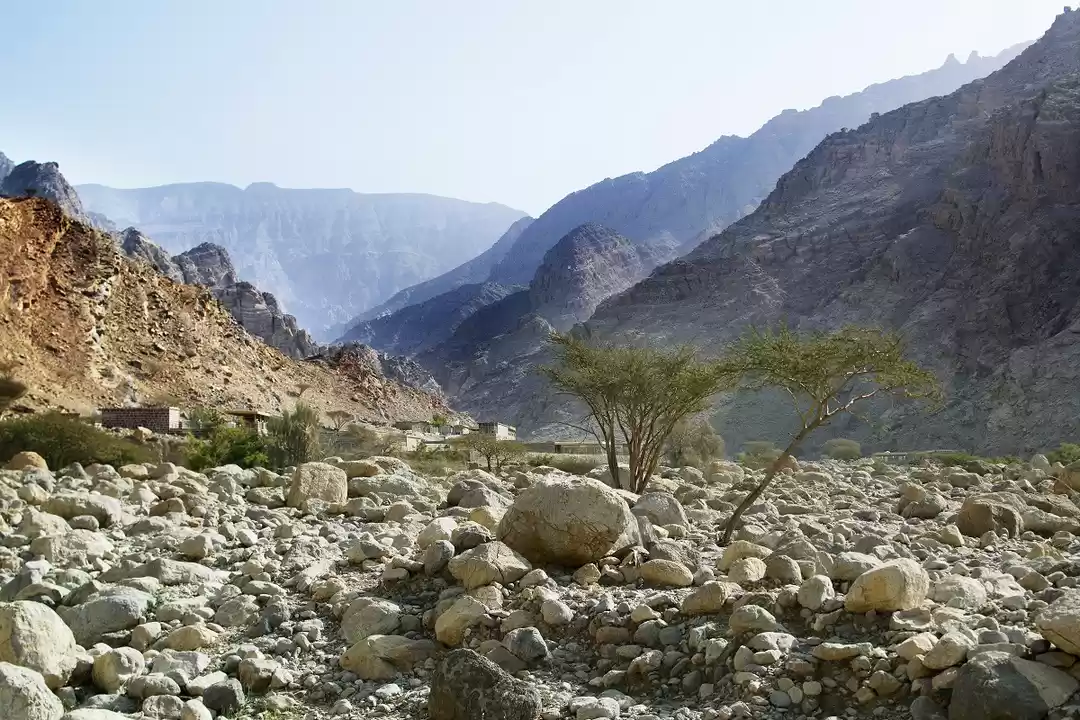
Wadi Ghalila is another mountain destination in Ras Al Khaimah, particularly known for hiking routes and spectacular Hajar Mountain scenery.
The area is associated with challenging mountain trails and is better suited to experienced outdoor enthusiasts than casual visitors.
For those looking for a combination of hiking and natural scenery, it can be an exciting addition to a Ras Al Khaimah itinerary.
However, visitors should distinguish between established trails and informal routes and prepare accordingly.

8. Wadi Al Bih, Ras Al Khaimah
Wadi Al Bih is another impressive mountain valley in the northern UAE.
The surrounding landscape features rugged rock formations and winding mountain roads, making it particularly attractive for:
- Road trips
- Mountain photography
- Hiking
- Nature exploration
- Scenic drives
As with other remote wadis, facilities can be limited, so travellers should plan ahead.
9. Wadi Shawka, Ras Al Khaimah
Wadi Shawka is one of the better-known outdoor destinations in Ras Al Khaimah and offers hiking, mountain landscapes and seasonal water features.
The area is popular with outdoor enthusiasts looking for a weekend escape from the UAE’s cities.
After suitable rainfall, water can collect in sections of the wadi, creating temporary pools and more dramatic scenery.
What makes Wadi Shawka interesting?
- Mountain hiking
- Seasonal pools
- Rocky landscapes
- Family-friendly outdoor exploration in suitable areas
- Camping opportunities
- Photography
Water conditions can vary considerably, so never assume a pool is safe for swimming simply because it contains water.

10. Wadi Al Wurayah, Fujairah
Wadi Al Wurayah National Park is one of the UAE’s important natural areas.
Located in Fujairah, the protected landscape is known for its mountainous terrain, biodiversity and historic water resources.
The area has been recognised for its ecological importance and provides habitat for various plants and animals.
Visitors should check current access rules before planning a trip because protected areas can have restrictions designed to safeguard sensitive ecosystems.
Why it matters
Wadi Al Wurayah demonstrates that the UAE’s natural heritage extends far beyond beaches and deserts, with mountain ecosystems playing an important role in the country’s biodiversity.
11. Wadi Bih’s Mountain Pools and Water Channels
Some mountain wadis can develop pools after rainfall as water moves through natural rock channels.
These temporary pools can be visually impressive, particularly when surrounded by the dark and rugged Hajar Mountains.
However, they should be treated as natural environments rather than swimming facilities.
Before entering the water, consider:
- Water depth
- Current
- Hidden rocks
- Water quality
- Recent rainfall
- Local restrictions
- Sudden changes in weather
Natural Pools vs Wadi Pools: What’s the Difference?
The terms are sometimes used interchangeably, but there is an important distinction.
Natural pools
These are naturally occurring bodies of water formed through geological processes, groundwater or rainwater collection.
Wadi pools
These are pools of water that form within a wadi, often after rainfall. Their size, depth and duration can change significantly.
Artificial mountain lakes
Places such as Leem Lake and Hatta Dam are created or managed water bodies rather than naturally formed pools.
Understanding the difference helps travellers set realistic expectations.
Best Time to Explore UAE Wadis
The cooler months are generally more comfortable for hiking and outdoor exploration.
October to April
This is typically the most comfortable period for:
- Hiking
- Camping
- Mountain road trips
- Photography
- Wadi exploration
After rainfall
Rain can transform UAE mountain landscapes, creating flowing streams and temporary pools.
However, this is also when flash-flood risks can increase significantly.
Never enter a wadi during heavy rain or when rain is occurring upstream, even if the weather above your location appears clear.
What to Pack for a Wadi Trip?
A proper preparation checklist can make a major difference.
Essentials
- Plenty of drinking water
- Hiking shoes
- Sun protection
- Hat
- Sunglasses
- Lightweight clothing
- First-aid kit
- Fully charged phone
- Power bank
- Navigation/GPS
- Snacks
- Rubbish bags
- Waterproof bag for electronics
- Extra clothing if water activities are planned
For remote locations, consider carrying additional emergency supplies.
Wadi Safety: Important Things to Know
Natural pools and wadis can look inviting, but they are not controlled swimming pools.
Watch for flash floods
This is the most important safety consideration.
Water can travel rapidly through mountain valleys following rainfall, sometimes from areas far away from where you are standing.
Never camp or park in a wadi bed during uncertain weather.
Don’t swim alone
If swimming is permitted, never enter an unfamiliar natural pool alone.
Check water conditions
Avoid water that appears stagnant, polluted or unsafe.
Watch for slippery rocks
Wet rocks can become extremely slippery.
Respect wildlife
Do not touch, feed or chase animals.
Follow local rules
Protected areas may have restrictions on swimming, camping, driving or hiking.
Responsible Wadi Tourism
The UAE’s wadis are environmentally sensitive landscapes.
Visitors can help protect them by following simple principles:
- Take all rubbish with you.
- Avoid single-use plastic where possible.
- Do not damage plants.
- Do not carve names into rocks.
- Do not disturb wildlife.
- Stay on designated trails where available.
- Avoid driving off-road unnecessarily.
- Do not remove rocks or natural materials.
- Respect private farms and properties.
- Follow instructions from local authorities.
Responsible tourism helps ensure these landscapes remain accessible for future visitors.
Frequently Asked Questions
Does the UAE have natural pools?
Yes. Several mountain areas can contain freshwater or rain-fed pools, particularly in and around the Hajar Mountains. Nahwa in Sharjah is specifically noted for freshwater pools.
Can you swim in UAE wadis?
Swimming conditions vary by location. Some managed destinations have designated swimming areas, while remote wadi pools may not be suitable or permitted for swimming. Always check current local guidance.
What is the best time to visit UAE wadis?
The cooler months from approximately October to April are generally more comfortable for hiking and outdoor exploration. Conditions can change quickly after rainfall.
Are UAE wadis safe after rain?
Extra caution is required after rain because of the risk of flash floods. Avoid entering wadis during rainfall or when rain is occurring upstream.
Which UAE wadi is good for beginners?
Developed areas around Hatta offer easier access to mountain scenery and outdoor activities, while some remote wadis require considerable hiking experience. Hatta offers trails ranging from easy walks to more challenging routes.
Are UAE natural pools free to visit?
Access varies. Some natural areas are freely accessible, while managed destinations may charge for activities, parking or facilities. Always check current access information before travelling.
Final Thoughts
The UAE’s lesser-known natural pools and wadis offer an entirely different perspective of the country. Away from skyscrapers and major attractions, the Hajar Mountains reveal rocky valleys, freshwater pools, wildlife habitats and landscapes shaped by water and geology.
Whether you choose to explore Wadi Al Helo, Nahwa, Hatta, Wadi Shawka or Fujairah’s mountain landscapes, preparation and responsible behaviour are essential.
For the best experience, travel during comfortable weather, check conditions before leaving, carry enough water and respect the natural environment. And remember: a wadi is a living ecosystem, not simply an adventure playground.
Planning a UAE nature escape? Explore UAE attractions, tours, transfers and holiday experiences with CityLaila and discover a quieter side of the Emirates.
You may also like –
Adventure Activities in UAE for Adrenaline Lovers
Best Eco-Tourism Experiences in the UAE
Hiking Trails Worth Exploring in the UAE
CityLaila Travel Team
Our travel experts research and curate guides for attractions and experiences across 40+ destinations worldwide.