
By CityLaila Travel Team
Updated March 2026
10 min read
Discover the World with CityLaila
Bali is famous for its golden beaches, turquoise waters, luxury resorts and spectacular sunsets. However, there is another side of this Indonesian island waiting to be explored. Beyond the coastline, Bali offers magnificent waterfalls, emerald-green rice terraces, ancient Hindu temples, traditional villages and cultural experiences that reveal the island’s unique heritage.
From walking through Ubud’s lush landscapes and discovering hidden waterfalls in northern Bali to watching traditional dance performances and learning about local crafts, Bali offers countless things to do beyond its beaches.
Whether you’re visiting Bali for the first time or returning for another holiday, exploring its natural beauty and cultural traditions can make your journey even more memorable.
1. Discover Bali’s Most Beautiful Waterfalls
Bali’s tropical forests and mountainous landscapes are home to some of Indonesia’s most beautiful waterfalls. Many are surrounded by dense greenery, natural pools and dramatic rock formations.
Here are some of the best waterfalls to include in your Bali itinerary.
Tegenungan Waterfall
Located near Ubud, Tegenungan Waterfall is one of Bali’s most accessible and popular waterfalls. Surrounded by lush tropical vegetation, it offers beautiful views and a powerful cascade of water.
Visitors can walk down steps to reach the waterfall area, enjoy the scenery and take photographs. Swimming conditions can change depending on the weather and water flow, so follow local safety instructions.
Sekumpul Waterfall
Often considered one of Bali’s most spectacular waterfalls, Sekumpul Waterfall is located in the northern part of the island. It features multiple streams of water flowing down a dramatic green valley.
Reaching the waterfall involves a trek with steps and uneven terrain, making it more suitable for travellers comfortable with physical activity.
Kanto Lampo Waterfall
Located in the Gianyar region, Kanto Lampo Waterfall is known for its beautiful cascading water flowing over dark rock formations. Its distinctive landscape makes it a favourite photography destination.
The rocks can be slippery, so wear suitable footwear and be careful when approaching the water.
Banyumala Twin Waterfall
Nestled in Bali’s northern highlands, Banyumala Twin Waterfall is surrounded by tropical greenery and peaceful natural scenery. Its twin cascades create a beautiful setting for nature lovers.
The descent can be steep in places, but the tranquil atmosphere makes the visit worthwhile.
Travel tip: Visit waterfalls early in the day for a quieter experience. During heavy rainfall, water levels and currents can become dangerous, so always follow local guidance.

2. Explore Bali’s Famous Rice Terraces
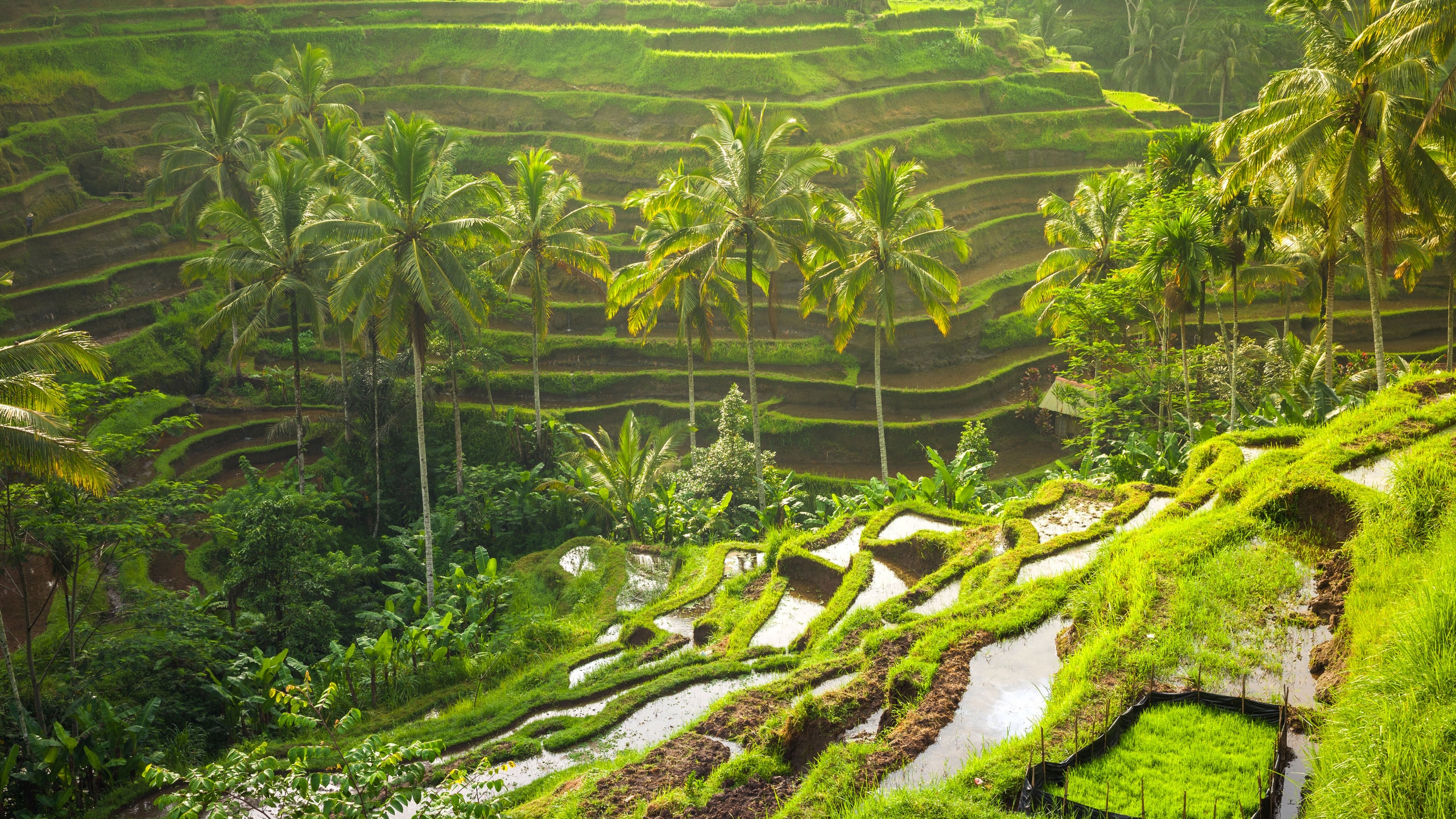
Bali’s rice terraces are among the island’s most recognisable landscapes. Their green, layered fields reflect centuries of agricultural knowledge and a traditional irrigation system known as Subak.
The Subak system connects farmers, water temples and irrigation channels through a cooperative approach to managing water. Bali’s Cultural Landscape, including its traditional rice terraces and water temples, is recognised as a UNESCO World Heritage property.
Tegallalang Rice Terraces
Located north of Ubud, Tegallalang Rice Terraces is one of Bali’s most photographed attractions. Its beautiful green fields stretch across rolling hills, creating an unforgettable landscape.
Visitors can walk along selected pathways, enjoy scenic viewpoints and explore nearby cafés. Some locations also offer swings and photography experiences.
Jatiluwih Rice Terraces
For a more expansive countryside experience, visit Jatiluwih Rice Terraces in Tabanan. Recognised as part of Bali’s UNESCO-listed Cultural Landscape, Jatiluwih features extensive rice fields surrounded by mountains and traditional villages.
It is an excellent destination for walking, cycling and photography.
Sidemen Valley
If you prefer a quieter destination, explore Sidemen Valley in East Bali. Known for its traditional villages, rice fields and views of Mount Agung, this peaceful region offers a glimpse of rural Balinese life.
Visitors can enjoy guided village walks, countryside cycling and scenic accommodation surrounded by nature.
Travel tip: The best time for photography is generally early morning or late afternoon. Rice fields change colour throughout the growing and harvesting cycles, so the landscape may look different depending on when you visit.
3. Experience Bali’s Rich Temple Culture
Bali’s temples are an important part of its spiritual and cultural identity. Hindu traditions influence everyday life, from family ceremonies and village celebrations to temple festivals and religious offerings.
Some temples worth exploring include:
Tirta Empul Temple
Located near Tampaksiring, Tirta Empul Temple is famous for its sacred spring water and traditional purification rituals. Visitors can learn about the spiritual significance of the temple and observe its beautiful architecture.
Travellers wishing to participate in purification rituals should follow temple instructions and respect local customs.
Tanah Lot Temple
One of Bali’s most iconic landmarks, Tanah Lot Temple stands on a dramatic offshore rock formation. It is particularly popular during sunset, when the temple creates a striking silhouette against the ocean.
Uluwatu Temple
Perched on a cliff overlooking the Indian Ocean, Uluwatu Temple offers spectacular coastal views. It is also famous for its traditional Kecak fire dance performances, generally held in the evening.
Ulun Danu Beratan Temple
Located beside Lake Beratan in the Bedugul highlands, Ulun Danu Beratan Temple is one of Bali’s most picturesque temples. Its lakeside setting, mountain backdrop and traditional architecture make it a memorable sightseeing destination.
Travel tip: Wear modest clothing when visiting temples. Sarongs may be required, and some areas may be restricted during religious ceremonies.

4. Visit Traditional Balinese Villages
To understand Bali beyond its tourist attractions, spend time exploring its traditional villages. These destinations offer opportunities to learn about local architecture, crafts, customs and everyday life.
Penglipuran Village
Penglipuran Village is known for its traditional Balinese houses, carefully maintained streets and cultural heritage. Visitors can walk through the village, admire its distinctive architecture and learn about local traditions.
Tenganan Village
Located in East Bali, Tenganan Pegringsingan is a traditional Bali Aga village known for its distinctive customs and traditional double ikat weaving, known as geringsing.
It offers an interesting insight into one of Bali’s older cultural traditions.
Celuk Village
Famous for its silver and gold craftsmanship, Celuk Village is an excellent place to discover Balinese jewellery-making traditions. Visitors can explore workshops and observe artisans creating intricate designs.

5. Enjoy Authentic Balinese Cultural Experiences
Exploring Bali’s culture is about more than visiting temples and villages. Travellers can participate in activities that introduce them to traditional art, food, music and local craftsmanship.
Some memorable experiences include:
- Traditional Balinese dance: Watch Legong, Barong or Kecak performances to discover the island’s storytelling and artistic traditions.
- Balinese cooking classes: Learn to prepare local dishes using traditional spices and ingredients.
- Batik and craft workshops: Discover traditional textile techniques and handmade crafts.
- Canang sari making: Learn about the small daily offerings placed by Balinese Hindu families through respectful, locally guided experiences.
- Local market visits: Explore traditional markets to discover fresh produce, spices, flowers and handmade products.
- Traditional village tours: Meet local communities and learn about their customs and way of life.
These activities provide a deeper understanding of Bali’s cultural identity while supporting local communities and artisans.
6. Taste Traditional Balinese Food
Food is another important part of discovering Bali’s culture. From traditional family-run restaurants known as warungs to local markets and cooking experiences, the island offers plenty of opportunities to explore Indonesian flavours.
Some popular dishes to try include:
- Nasi Campur: Rice served with a selection of vegetables, meat and traditional side dishes.
- Nasi Goreng: Indonesian-style fried rice, often served with egg and accompaniments.
- Mie Goreng: Stir-fried noodles prepared with vegetables and other ingredients.
- Babi Guling: Traditional Balinese roast pork.
- Sate Lilit: Minced meat or seafood mixed with spices and wrapped around skewers.
- Lawar: A traditional mixture of vegetables, coconut and seasoned ingredients.
Vegetarian and vegan travellers can also find plenty of options, particularly around Ubud, Canggu and Seminyak. Always check ingredients and preparation methods if you have dietary restrictions.
7. Best Time to Explore Bali’s Nature and Culture
Bali has a tropical climate with two main seasons:
- Dry season (April to October): Generally suitable for waterfall excursions, rice terrace walks, village tours and outdoor sightseeing.
- Wet season (November to March): The island becomes especially lush and green, although rainfall can affect trekking routes, waterfall access and travel times.
For a balance of comfortable outdoor conditions and beautiful landscapes, April, May, June and September are popular months to consider.
Waterfalls can be especially impressive during wetter periods, but heavy rain may make paths slippery and swimming unsafe. Always check local conditions before visiting.
8. Suggested 5-Day Bali Nature and Culture Itinerary
| Day | Experiences |
| Day 1 | Explore Ubud, Ubud Palace, local markets and a traditional dance performance |
| Day 2 | Visit Tegallalang Rice Terraces, Tirta Empul Temple and nearby villages |
| Day 3 | Discover Tegenungan and Kanto Lampo waterfalls |
| Day 4 | Explore Jatiluwih Rice Terraces, Ulun Danu Beratan Temple and Bedugul |
| Day 5 | Visit Penglipuran Village, enjoy local food and explore traditional craft workshops |
This itinerary can be adjusted according to your accommodation location, interests and travel pace. Some destinations are several hours apart, so avoid combining too many distant attractions in one day.
9. Essential Travel Tips for Exploring Bali
Before heading beyond Bali’s beaches, keep these practical tips in mind:
- Choose the right base: Ubud is a convenient base for rice terraces, waterfalls and cultural attractions.
- Arrange transportation: Hire a private driver or book a guided tour for full-day countryside excursions.
- Wear comfortable footwear: Waterfall trails and rice terrace paths can be uneven or slippery.
- Respect temple etiquette: Dress modestly and follow local rules, especially during ceremonies.
- Carry cash: Some rural attractions and small businesses may have limited card facilities.
- Protect the environment: Avoid littering and respect agricultural land and local communities.
- Check weather conditions: Heavy rain can affect waterfall access, trekking and road travel.
- Plan realistic travel times: Traffic and winding mountain roads can make journeys longer than expected.
Frequently Asked Questions
1. What are the best places to visit in Bali beyond its beaches?
Tegallalang and Jatiluwih Rice Terraces, Tegenungan and Sekumpul Waterfalls, Ubud, Tirta Empul Temple, Penglipuran Village and Sidemen Valley are excellent choices.
2. Which part of Bali is best for nature and cultural experiences?
Ubud is one of the best bases for exploring Bali’s cultural attractions, rice terraces, temples, traditional villages and nearby waterfalls.
3. Are Bali’s waterfalls suitable for beginners?
Some waterfalls, such as Tegenungan, have relatively accessible routes, while others, including Sekumpul, require more challenging walks. Check the route and conditions before visiting.
4. How many days are enough to explore Bali’s nature and culture?
Five to seven days is a good starting point for exploring Ubud, rice terraces, waterfalls, temples and traditional villages without rushing.
5. Can tourists participate in Balinese cultural activities?
Yes. Visitors can join cooking classes, craft workshops, guided village tours and selected cultural experiences. Always choose respectful activities led by local hosts.
6. What should I wear when visiting temples in Bali?
Wear modest clothing that covers your shoulders and knees. A sarong may be required, depending on the temple’s rules.
Discover a Different Side of Bali with CityLaila
Bali is much more than a beach destination. Its spectacular waterfalls, peaceful rice terraces, ancient temples, traditional villages and vibrant cultural experiences offer countless ways to discover the island’s authentic charm.
Whether you want to explore Ubud’s countryside, photograph the beautiful Jatiluwih Rice Terraces, visit sacred temples or experience traditional Balinese cooking, planning your itinerary in advance can help you make the most of your holiday.
Planning your Bali getaway? Explore CityLaila’s Bali holiday packages, sightseeing tours, attraction tickets and transfer options to discover the island beyond its beaches. Book with CityLaila and experience the natural beauty and cultural charm of Bali!
You may also like –
Bali in November: Weather, Places to Visit and Travel Tips
Why Travelers Trust CityLaila for Theme Park Tickets?
CityLaila Travel Team
Our travel experts research and curate guides for attractions and experiences across 40+ destinations worldwide.