

By CityLaila Travel Team
Updated March 2026
11 min read
Discover the World with CityLaila
The UAE is widely recognized for its futuristic architecture, luxury resorts and modern attractions, but its cultural identity is deeply rooted in centuries of Bedouin traditions, pearl diving, fishing, farming and desert life. One of the best ways to discover this heritage is by visiting the country’s heritage villages.
UAE heritage villages recreate or preserve traditional ways of life through historic buildings, museums, souks, craft demonstrations, cultural performances and traditional Emirati experiences. They offer travelers a glimpse into what life was like before the rapid transformation of the Emirates.
From Abu Dhabi Heritage Village overlooking the Corniche to historic settlements in Dubai, Sharjah, Al Ain and other emirates, these destinations are ideal for travelers interested in Emirati culture, UAE history and traditional architecture.
Here are some of the best heritage villages in the UAE worth visiting in 2026.
What Is a Heritage Village in the UAE?
A heritage village is a cultural destination designed to preserve, interpret or recreate aspects of traditional Emirati life.
Depending on the location, visitors may discover:
- Traditional Emirati houses
- Bedouin tents
- Date-palm huts
- Traditional souks
- Pottery and weaving
- Fishing and pearl-diving heritage
- Traditional food
- Old farming techniques
- Historic tools and weapons
- Cultural performances
- Museums and exhibitions
These destinations provide more than sightseeing—they help visitors understand how communities adapted to the UAE’s desert and coastal environments.
1. Heritage Village, Abu Dhabi
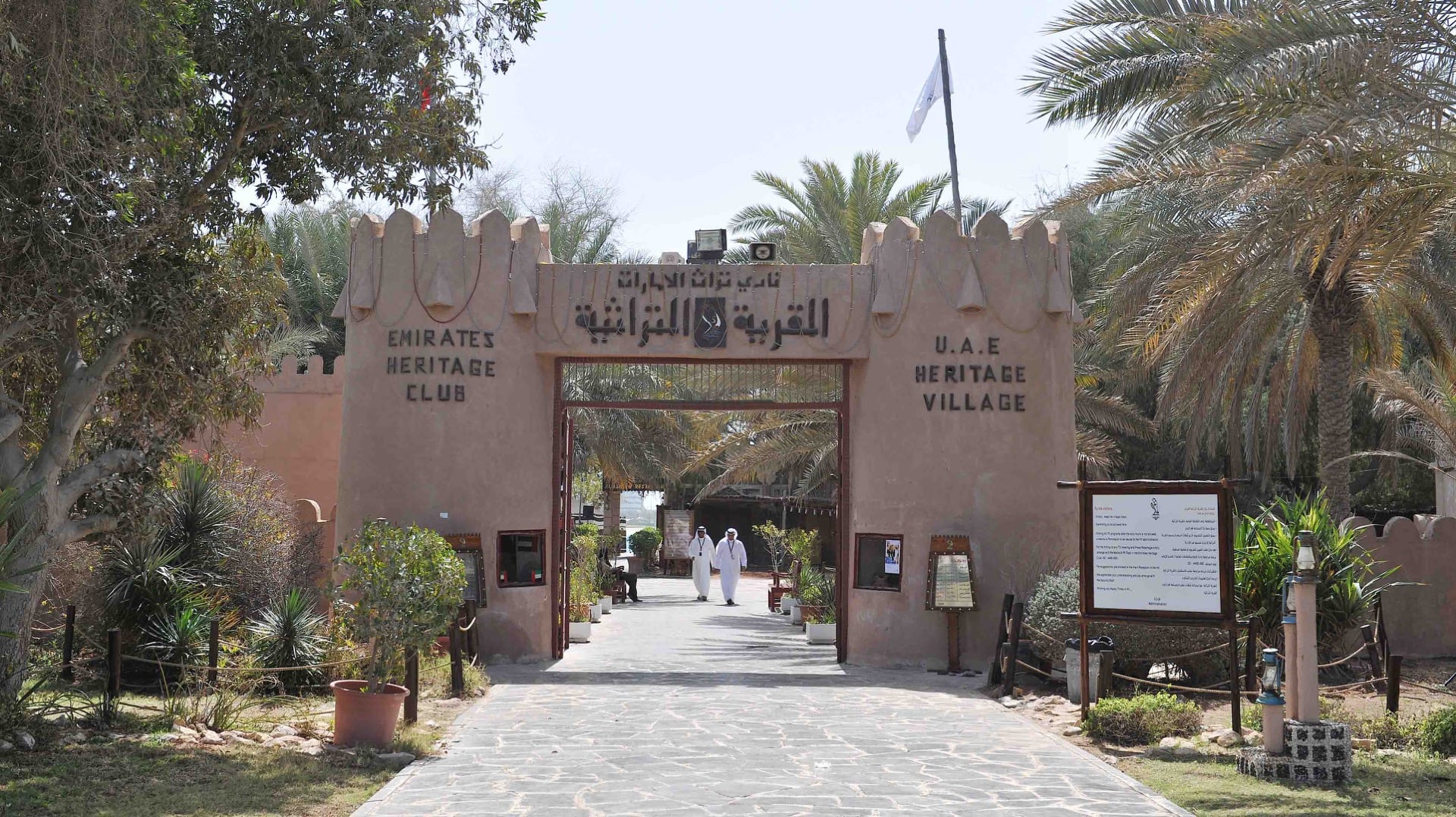
Located near the Abu Dhabi Corniche, Heritage Village is one of the most recognizable cultural attractions in the capital.
The village provides an introduction to traditional Emirati life, with reconstructed buildings, traditional crafts and displays reflecting the country’s heritage before the discovery of oil transformed the region.
Visitors can explore traditional homes, a mosque, a souk and workshops demonstrating traditional skills.
Highlights include:
- Traditional Emirati architecture
- Bedouin-style tents
- Pottery demonstrations
- Traditional crafts
- Historical displays
- Souvenir shopping
- Views of Abu Dhabi’s modern skyline
One of the most interesting aspects is the contrast between the traditional village and the modern Abu Dhabi skyline beyond it.
Best for: First-time visitors, families, photographers and culture enthusiasts.
2. Al Shindagha Heritage District, Dubai
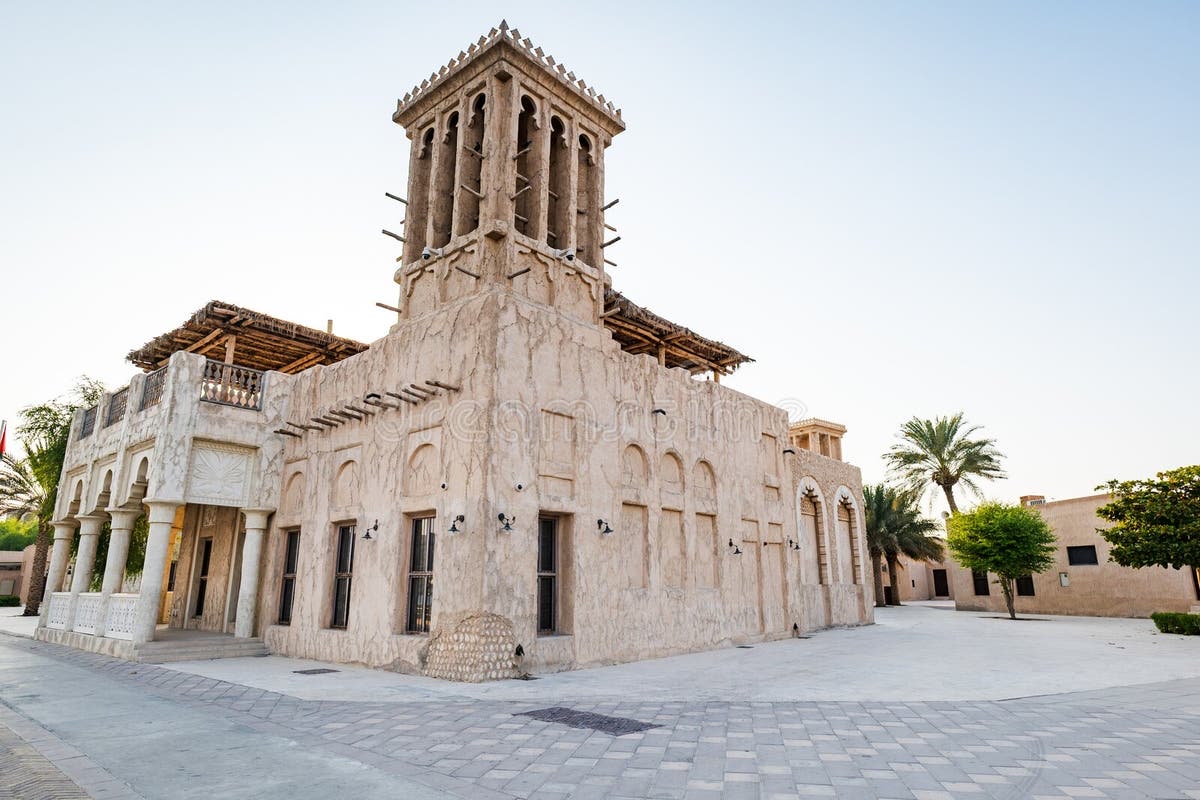
Although not a single heritage village, Al Shindagha Heritage District is one of the most important places to explore Dubai’s traditional past.
Situated beside Dubai Creek, the historic district was once home to Dubai’s ruling family and prominent merchant families.
Today, restored buildings and museums provide insight into subjects including Emirati traditions, maritime heritage, perfume, architecture and the history of Dubai.
The district is particularly valuable for understanding how Dubai developed from a small creekside settlement into a global city.
Don’t miss:
- Heritage houses
- Museums
- Traditional architecture
- Dubai Creek views
- Cultural exhibitions
- Traditional Emirati stories and artefacts
Best for: History lovers, culture enthusiasts and travelers exploring Old Dubai.
3. Heritage Village, Hatta
Nestled among the Hajar Mountains, Hatta Heritage Village offers a different perspective on traditional Emirati life.
The village showcases traditional mountain architecture and provides insight into how communities lived in the Hatta region.
Visitors can explore reconstructed houses, watchtowers, a mosque and traditional agricultural features.
The surrounding mountains also make Hatta a popular destination for hiking, kayaking, cycling and outdoor activities.
Why visit?
- Mountain heritage
- Traditional homes
- Watchtowers
- Agricultural heritage
- Cultural photography
- Easy to combine with Hatta’s outdoor attractions
Best for: Families, history enthusiasts and travelers looking for a combination of culture and nature.
4. Heart of Sharjah
Heart of Sharjah is a major heritage project preserving the historic heart of the emirate.
The district features restored traditional buildings, narrow lanes, souks, museums, art spaces and cultural venues.
It offers visitors an opportunity to experience Sharjah’s history and its long-standing reputation as a centre of culture and learning.
Things to explore:
- Traditional architecture
- Heritage houses
- Souks
- Museums
- Art galleries
- Cultural events
- Traditional cafés
The area is particularly attractive for visitors who enjoy walking through historic neighbourhoods rather than visiting a single attraction.
Best for: Culture lovers, photographers, art enthusiasts and families.
5. Al Ain Oasis and Heritage Area
Al Ain offers one of the UAE’s richest collections of cultural and historical attractions.
At the heart of the city is Al Ain Oasis, a UNESCO World Heritage-related cultural landscape known for its date palms, traditional irrigation systems and shaded pathways.
The oasis demonstrates how communities developed sustainable agricultural practices in an arid environment.
Visitors can also explore nearby historic sites and traditional architecture to understand the relationship between oasis life, agriculture and Emirati society.
Highlights:
- Date-palm plantations
- Falaj irrigation system
- Traditional farming
- Walking paths
- Historic buildings
- Cultural landscapes
Best for: Families, history lovers, photographers and eco-cultural travelers.
6. Heritage Village, Dibba Al Hisn
Dibba Al Hisn, on the UAE’s eastern coast, has a long association with fishing and maritime traditions.
The area’s heritage experiences offer visitors insight into the traditional coastal lifestyle of communities that depended on fishing, agriculture and trade.
This makes it an interesting destination for travelers who want to explore a side of Emirati heritage beyond the desert and major cities.
Best for: Travelers interested in maritime history and traditional coastal culture.
7. Heritage Village, Al Madam
The Al Madam area in Sharjah provides opportunities to explore traditional desert heritage and rural Emirati life.
The surrounding desert environment helps visitors understand how communities historically adapted to limited water resources, harsh temperatures and the challenges of desert living.
The wider region can be combined with desert excursions and visits to other cultural attractions in central Sharjah.
Best for: Travelers interested in desert culture, traditional lifestyles and photography.
8. Heritage Village, Fujairah
Fujairah’s heritage attractions highlight the emirate’s distinctive relationship with mountains, agriculture, fishing and traditional architecture.
Traditional houses, tools and farming displays can help visitors understand how communities lived in the eastern UAE.
The experience becomes even more interesting when combined with visits to Fujairah Fort, Al Bidyah Mosque and other historic landmarks.
Best for: History enthusiasts and travelers exploring Fujairah.
9. Heritage Village, Ras Al Khaimah
Ras Al Khaimah has a particularly rich heritage shaped by agriculture, pearling, fishing, trade and its proximity to the Hajar Mountains.
Heritage sites in the emirate provide opportunities to discover traditional homes, historic settlements, forts and cultural traditions.
Visitors can combine heritage exploration with attractions such as Dhayah Fort, old villages and mountain landscapes.
Best for: History lovers, photographers and travelers interested in northern UAE culture.
10. Al Fahidi Historical Neighbourhood, Dubai
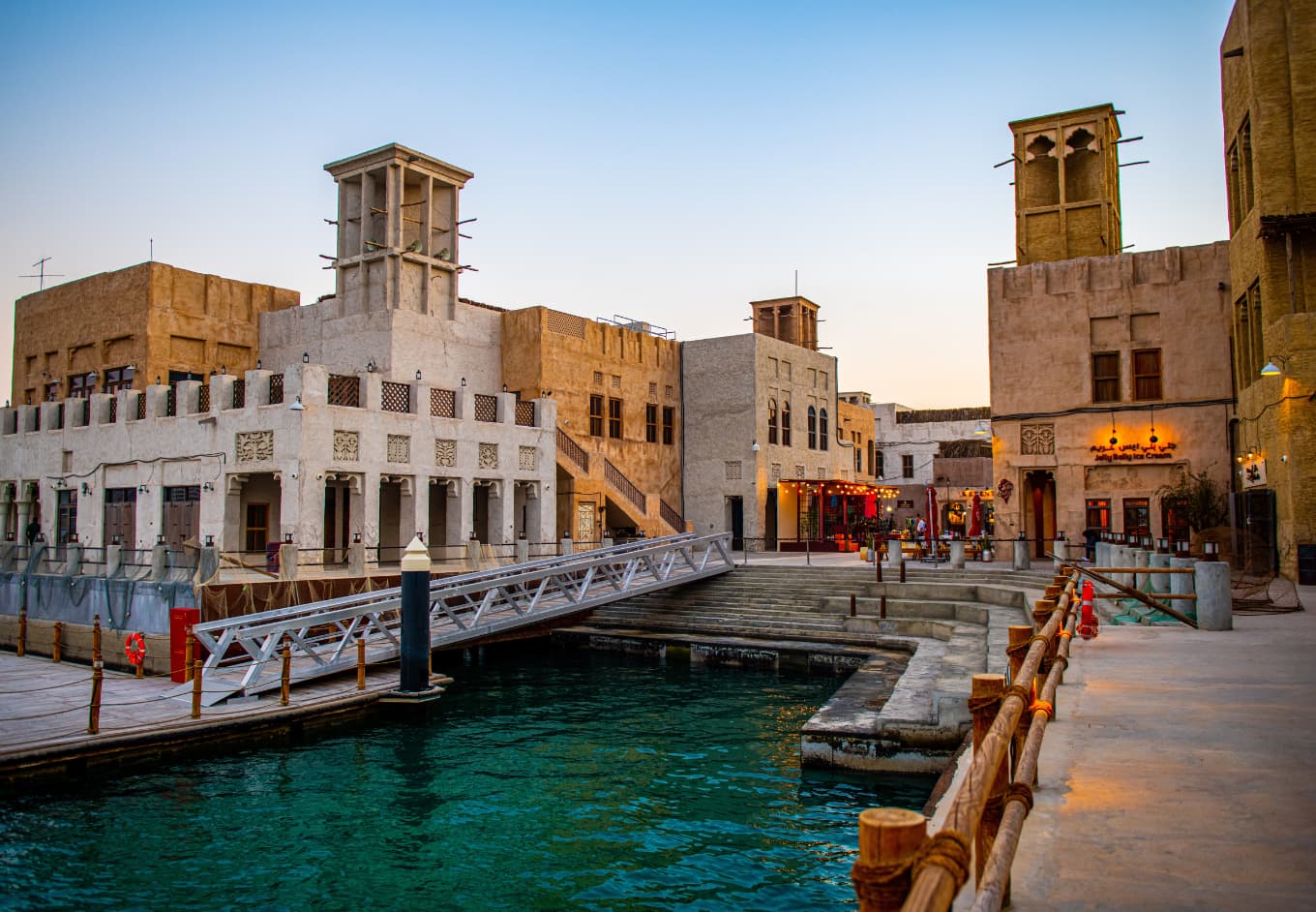
Another must-visit destination for experiencing traditional Dubai is the Al Fahidi Historical Neighbourhood.
The district preserves traditional courtyard houses, wind towers and narrow lanes dating from Dubai’s earlier period.
Walking through the neighbourhood offers a glimpse into the city’s architectural and social history before modern skyscrapers transformed its skyline.
Visitors can explore museums, galleries, cultural centres, cafés and traditional houses.
Best for: First-time visitors, photographers and culture enthusiasts.
What Can You Experience at UAE Heritage Villages?
A visit to a heritage village can involve much more than looking at old buildings.
Traditional Architecture
Learn how coral stone, mud brick, palm leaves and other locally available materials were used to construct homes.
Emirati Crafts
Depending on the destination, demonstrations may include pottery, weaving, embroidery, metalwork and palm-leaf crafts.
Traditional Food
Some heritage destinations and cultural events provide opportunities to taste traditional Emirati dishes and drinks.
Bedouin Lifestyle
Discover how desert communities used tents, livestock, traditional tools and locally available resources to survive in challenging environments.
Maritime Heritage
Coastal heritage attractions showcase fishing boats, pearl-diving traditions and the importance of the sea to the UAE’s history.
Best Time to Visit UAE Heritage Villages
The cooler months from October to April are generally the most comfortable for exploring outdoor heritage sites.
October–November
Pleasant weather begins, making walking tours increasingly comfortable.
December–February
Ideal for outdoor sightseeing and cultural exploration.
March–April
Warm but generally suitable for morning and late-afternoon visits.
May–September
Temperatures can be very high. Choose indoor museums or visit outdoor heritage sites early in the morning or later in the evening where permitted.
Always check the attraction’s current opening hours before visiting because schedules can change seasonally.
Tips for Visiting Heritage Villages in the UAE
Dress Respectfully
Heritage areas are cultural destinations, so modest and comfortable clothing is recommended.
Carry Water
This is particularly important when visiting outdoor sites during warmer months.
Respect Cultural Spaces
Follow photography restrictions and avoid entering restricted areas.
Hire a Guide
A knowledgeable guide can explain the history behind traditional architecture, customs and artefacts.
Combine Attractions
Many heritage areas are located close to forts, museums, souks and traditional markets, making it easy to create a full cultural itinerary.
Check Opening Hours
Some heritage sites may have different operating hours on weekends, public holidays or during Ramadan.
Frequently Asked Questions
Which is the most famous heritage village in the UAE?
Heritage Village in Abu Dhabi is among the country’s best-known cultural attractions and provides visitors with an accessible introduction to traditional Emirati life.
What can I see at a UAE heritage village?
Depending on the destination, you can see traditional homes, Bedouin tents, crafts, souks, farming tools, fishing equipment, museums and cultural demonstrations.
Are UAE heritage villages suitable for families?
Yes. Heritage villages and historic districts can be educational experiences for families, particularly when children are interested in traditional crafts, architecture and history.
What is the best time to visit heritage villages in the UAE?
October to April is generally the most comfortable period for outdoor heritage exploration. During summer, early morning or evening visits may be more comfortable.
Which UAE heritage destination is best for traditional architecture?
Al Fahidi Historical Neighbourhood, Al Shindagha, Heart of Sharjah and Heritage Village Abu Dhabi are excellent places to see traditional Emirati architectural styles.
Can tourists experience traditional Emirati culture?
Yes. Heritage villages, museums, cultural districts and traditional markets provide opportunities to learn about Emirati food, architecture, crafts, customs and historical lifestyles.
Final Thoughts
Exploring UAE heritage villages is one of the best ways to look beyond the country’s modern skyline and understand its cultural roots. These destinations preserve stories of a time when communities depended on the desert, sea, oasis and mountains for their livelihoods.
From Heritage Village Abu Dhabi and Al Fahidi in Dubai to Hatta, Heart of Sharjah, Al Ain Oasis and Fujairah’s historic sites, each destination offers a different perspective on Emirati heritage.
For travelers planning a UAE cultural itinerary, visiting a heritage village is an opportunity to experience traditional architecture, discover local crafts, learn about Bedouin and maritime traditions and understand how the Emirates evolved into the modern country seen today.
Whether you’re a first-time visitor, history enthusiast, family traveler or photographer, adding a UAE heritage village to your itinerary can make your journey more culturally meaningful and memorable.
You may also like –
Discover the UAE’s Pearl Diving Heritage
UNESCO Heritage Sites in the UAE
Best Cultural Attractions in Abu Dhabi
Hidden Attractions in Old Dubai Worth Exploring
CityLaila Travel Team
Our travel experts research and curate guides for attractions and experiences across 40+ destinations worldwide.

 Abu Dhabi is home to some of the world’s most exciting attractions, and