
By CityLaila Travel Team
Updated March 2026
10 min read
Discover the World with CityLaila
The United Arab Emirates is renowned for its futuristic skylines, luxurious attractions, and world-class entertainment. However, beyond its modern cities lies a rich cultural and historical heritage that dates back thousands of years. The country’s UNESCO World Heritage Sites preserve ancient settlements, archaeological discoveries, traditional architecture, and cultural landscapes that tell the story of the UAE’s remarkable past.
From the historic oasis city of Al Ain to ancient archaeological sites and centuries-old irrigation systems, these heritage landmarks offer visitors a deeper understanding of the nation’s history and traditions. Whether you’re a history enthusiast, cultural traveler, or first-time visitor, exploring the UNESCO Heritage Sites in the UAE is a rewarding experience that complements the country’s modern attractions.
Table of Contents
What Is a UNESCO World Heritage Site?
How Many UNESCO World Heritage Sites Are in the UAE?
Why Al Ain Is UNESCO Listed?
Key UNESCO Heritage Attractions in Al Ain
The Importance of the Falaj Irrigation System
Why Visit the UAE’s UNESCO Heritage Site?
Nearby Attractions in Al Ain
Best Time to Visit
Travel Tips
Why UNESCO Heritage Matters?
Final Thoughts
What Is a UNESCO World Heritage Site?
A UNESCO World Heritage Site is a landmark recognized by the United Nations Educational, Scientific and Cultural Organization (UNESCO) for its outstanding cultural or natural value. These sites are protected because they represent important chapters in human history, architectural achievements, or unique natural landscapes.
In the UAE, UNESCO recognition highlights locations that have played a significant role in the region’s cultural development and continue to preserve the country’s identity for future generations.
How Many UNESCO World Heritage Sites Are in the UAE?
The UAE currently has one UNESCO World Heritage Site:
- The Cultural Sites of Al Ain, inscribed on the UNESCO World Heritage List in 2011.
Although the UAE has only one officially inscribed World Heritage Site, it includes several important locations spread across the Al Ain region. Together, these sites provide valuable insights into human settlement, agriculture, trade, and desert life over thousands of years.
The Cultural Sites of Al Ain
Located in the Emirate of Abu Dhabi near the border with Oman, Al Ain is often referred to as the “Garden City” of the UAE due to its lush greenery and natural oases.
The UNESCO-listed Cultural Sites of Al Ain include several interconnected locations that demonstrate how people successfully lived and farmed in the desert using innovative irrigation systems.
Why Al Ain Is UNESCO Listed?
UNESCO recognized Al Ain because it preserves evidence of continuous human settlement dating back more than 5,000 years. The region reflects the evolution of early farming communities, Bronze Age cultures, and sustainable water management systems.
The site highlights the relationship between people and the desert environment, showcasing how ancient civilizations adapted to challenging conditions.
Key UNESCO Heritage Attractions in Al Ain
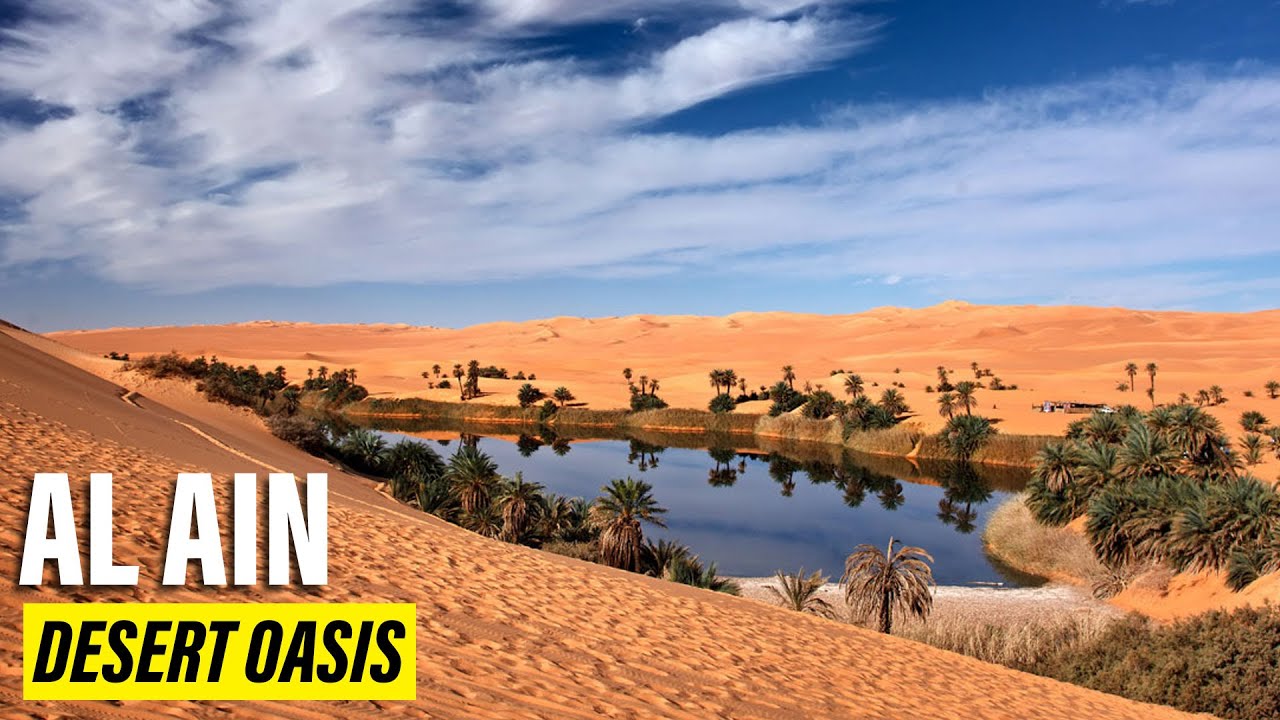
1. Al Ain Oasis
One of the most visited parts of the UNESCO site, Al Ain Oasis covers approximately 1,200 hectares and is home to more than 147,000 date palms.
Visitors can enjoy peaceful shaded pathways while learning about the traditional falaj irrigation system that has sustained agriculture for centuries.
Highlights include:
- Palm groves
- Walking trails
- Eco-Centre exhibitions
- Traditional irrigation channels
- Cultural experiences
The oasis offers a refreshing escape and a glimpse into traditional Emirati farming practices.
2. Hili Archaeological Park
Hili Archaeological Park is one of the UAE’s most important Bronze Age sites.
Archaeological excavations have uncovered ancient tombs, settlements, and artifacts dating back over 4,000 years.
Visitors can explore:
- Circular burial tombs
- Excavated ruins
- Ancient stone structures
- Landscaped gardens
- Educational displays
The famous Hili Grand Tomb features beautifully carved reliefs depicting animals and human figures.

3. Jebel Hafeet
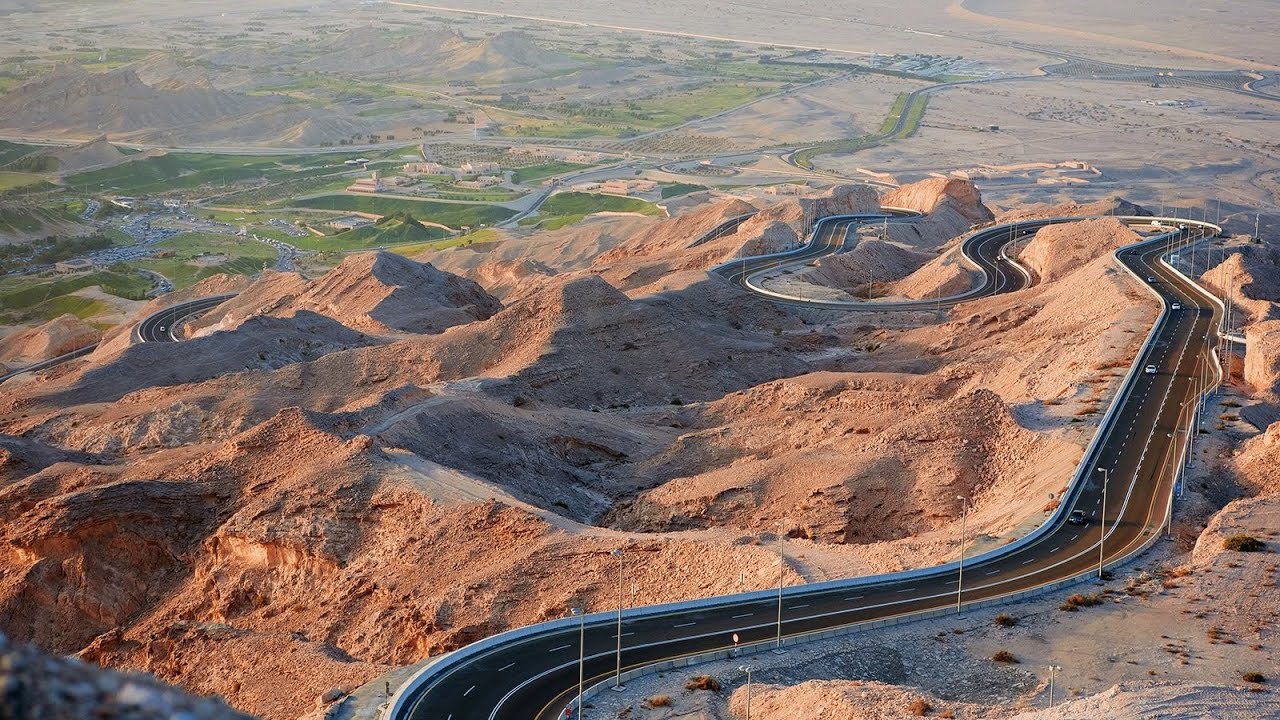
Towering over Al Ain, Jebel Hafeet is the UAE’s second-highest mountain and another significant part of the UNESCO listing.
The mountain contains more than 500 ancient beehive-shaped tombs dating back approximately 5,000 years.
Besides its archaeological importance, Jebel Hafeet offers:
- Scenic mountain drives
- Panoramic viewpoints
- Hiking opportunities
- Desert landscapes
The winding road to the summit is considered one of the world’s most scenic drives.
4. Bidaa Bint Saud
Bidaa Bint Saud preserves the remains of ancient agricultural communities and caravan routes.
The site contains evidence of irrigation systems, settlements, and trade activities that connected the region to neighboring civilizations.
It provides valuable insight into how ancient communities flourished despite harsh desert conditions.

The Importance of the Falaj Irrigation System
One of the defining features of Al Ain’s UNESCO designation is the traditional falaj irrigation system.
Developed thousands of years ago, this engineering marvel channels groundwater through underground tunnels and open channels to irrigate farms and date plantations.
The falaj system demonstrates the ingenuity of early communities in managing precious water resources and remains an important symbol of sustainable living in the UAE.
Why Visit the UAE’s UNESCO Heritage Site?
Exploring Al Ain offers a completely different experience from the modern attractions of Dubai and Abu Dhabi.
Visitors can:
- Discover ancient history
- Explore archaeological sites
- Walk through lush oases
- Learn about Emirati traditions
- Admire mountain landscapes
- Experience authentic cultural heritage
It’s an ideal destination for travelers seeking meaningful cultural experiences.
Nearby Attractions in Al Ain
After visiting the UNESCO heritage sites, consider exploring other attractions nearby.
Al Ain Palace Museum
Once the residence of the UAE’s founding father, this museum showcases traditional Emirati architecture and royal history.
Al Jahili Fort
One of the UAE’s most impressive historic forts, Al Jahili Fort features exhibitions on local history and exploration.
Al Ain Zoo
Families can enjoy one of the region’s largest zoos, home to hundreds of animal species and conservation programs.
Green Mubazzarah
Located at the base of Jebel Hafeet, Green Mubazzarah offers hot springs, picnic areas, and beautiful natural scenery.
Best Time to Visit
The ideal time to explore Al Ain is between October and April, when cooler temperatures make outdoor sightseeing more comfortable.
Morning visits are particularly enjoyable for walking through the oasis and archaeological parks.
Travel Tips
Wear Comfortable Shoes
Many heritage sites involve walking on uneven paths.
Bring Water
The desert climate can be warm, even during cooler months.
Visit Early
Morning visits provide pleasant temperatures and quieter surroundings.
Respect Cultural Sites
Avoid climbing on archaeological structures and follow all visitor guidelines.
Plan a Full-Day Trip
The UNESCO heritage attractions are best enjoyed alongside Al Ain’s museums, forts, and natural landmarks.
Why UNESCO Heritage Matters?
The Cultural Sites of Al Ain preserve an important chapter in the history of the Arabian Peninsula. They demonstrate how early civilizations adapted to desert life through innovation, cooperation, and sustainable resource management.
These sites also remind visitors that the UAE’s identity extends far beyond its modern skyscrapers, offering a fascinating connection to thousands of years of human history.
Final Thoughts
While many travelers visit the UAE for its luxury shopping, world-famous attractions, and futuristic architecture, exploring its UNESCO World Heritage Site reveals a deeper appreciation of the nation’s rich cultural roots. From ancient tombs and archaeological parks to lush oases and traditional irrigation systems, Al Ain offers a journey into the heart of Emirati history.
You may also like –
The Rise of UAE Staycations: How Staycations Are Evolving in 2026
UAE’s Most Instagrammable Spots to Capture the Holiday Season 2026
Famous Zoos and Aquariums of UAE
Dive Into The Water Activities of UAE
CityLaila Travel Team
Our travel experts research and curate guides for attractions and experiences across 40+ destinations worldwide.